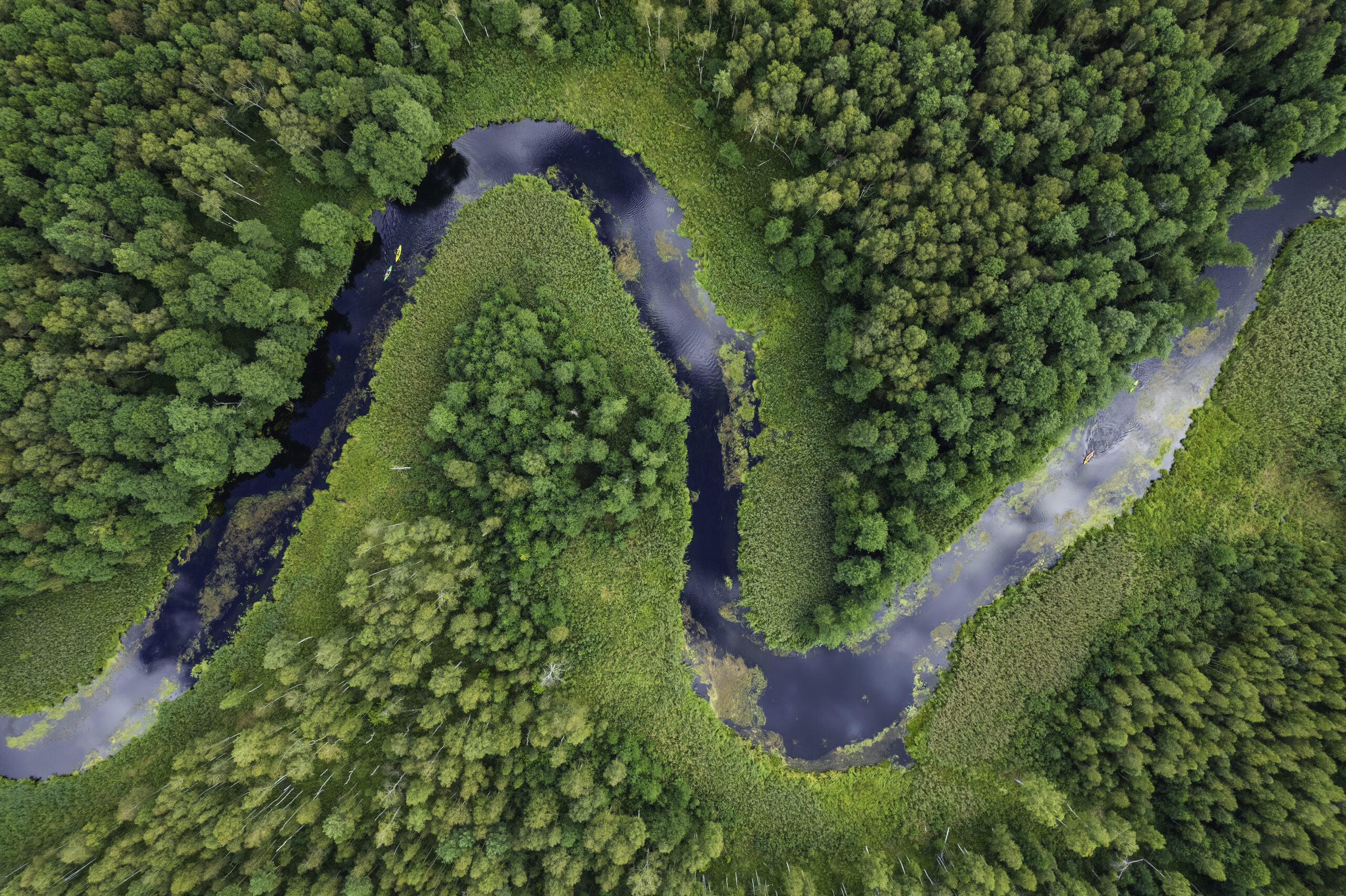
we learn not just from science but from the lived experience, values, and knowledge of the people we are privileged to work with
Values-Based, Equity Focused
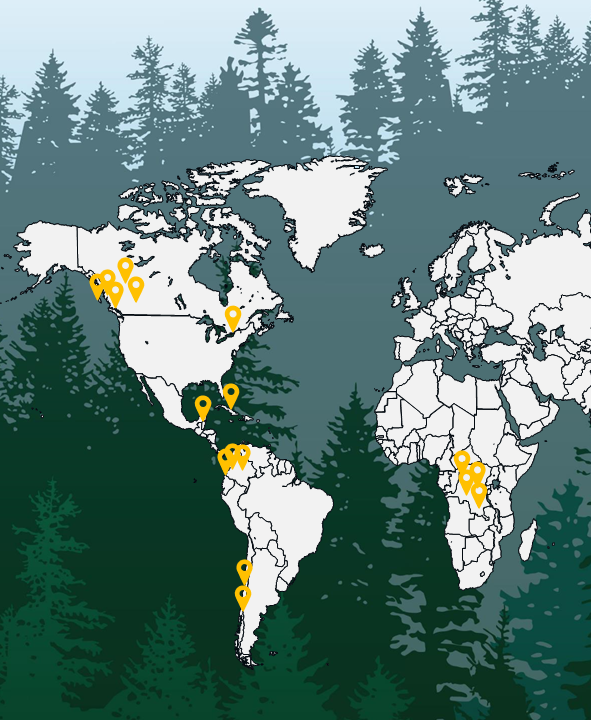
Since 2010 TerrePlan Inc. has supported the success of ground-breaking initiatives on three continents, from conservation funding for Indigenous-led ecosystem-based management on Canada’s west coast, biocultural indicators in remote boreal forests, multi-stakeholder planning in the Caribbean, and REDD+ in Colombia, and the Democratic Republic of Congo.
Rob at TerrePlan had a good working fluency in English, Spanish, and works with colleagues with extensive project experience and native fluency in Portuguese . Below are some project examples.
“Rob es un profesional que se focaliza muy bien en su trabajo y es un aporte al crecimiento de la organizacion o empresa. Sabe precisar los problemas que se enfrenten y ayudar en la busqueda de soluciones.”
Land Use Planning and Policy
From 2024 to 2025 Rob Friberg at TerrePlan Inc., with a team of professional planners (RPPs), provided policy support to the B.C. Ministry of Water, Lands, and Natural Resource Stewardship. This involved network analysis and associated conceptual models, and considerations for land use planning from priorities for reconciliation with First Nations, climate change, biodiversity, old growth forests, and coastal marine ecosystems. Through document analysis, a review of recent practice, and expert interviews, our team provided input and recommendations for best practice in engagement for land use planning, and Socio-Economic Environmental Assessment.
Impact Assessment, Community Resilience, and Biocultural Indicators
Working alongside a Cree Nation in Canada’s boreal forest region TerrePlan supported community-led workshops, focus groups, analysis, and sense making, leading to the development of a causal model of cumulative impacts to cultural values across the traditional territory. A resulting set of community driven, culturally-rooted indicators provides a framework from which to evaluate forest and land stewardship, and the protection and recovery of traditional practice and community well-being.
Rob took the time to actively listen and collaborate on project ideas that evolved to fit the vision and goals of Swan River First Nation. He worked alongside the lands team through a series of community gatherings and a process to identify meaningful results that aligned with the Nations values, priorities, and traditional territory. Rob was respectful, responsive, and well received by community members. Todd Bailey, Director of Land & Environment.
Market-Financed Conservation and Social Impact
Since 2010 TerrePlan has been a thought partner, mentor, advisor, and technical contributor to voluntary market funded forest stewardship and REDD+. Key contributions include focal issue analysis, theory of change modeling, social & biodiversity indicators, forest inventory, modeling, and carbon sequestration estimates. Regions and initiatives include the Great Bear Haida Gwaii Forest Carbon Project on the BC Coast, REDD+ and afforestation in Colombia and the Democratic Republic of Congo.
Rob effectively contributed his experience and expertise toward methodology selection, preliminary carbon project design and GHG sequestration estimates for our small landholder afforestation and agroforestry project in the Democratic Republic of Congo. The effort involved a high degree of collaboration among team members based in Central Africa, Europe and North America.
Multi-Stakeholder Biodiversity Conservation and Community Resilience
Working with the Canadian International Development (now Foreign Affairs Canada) and Cuban Ministry of Forests TerrePlan conducted site visits, interviewed stakeholders, and developed recommendations for a multi-stakeholder strategic planning process and the effective implementation of strategies for biodiversity conservation and rural livelihoods.
Clients and past projects include the federal government (Natural Resources Canada; Canadian International Development Agency), provincial government ministries in British Columbia, Alberta, research-focused organizations, and First Nation communities as noted above. TerrePlan has capacity for qualitative and quantitative research, literature review, project and program evaluation, and participatory inquiry for complex problem solving.